
-
Juchitán
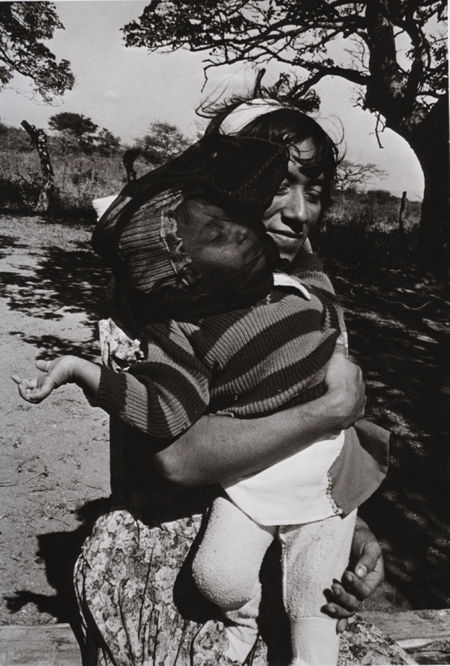
Between 1979 and 1988, Graciela Iturbide made regular visits to Juchitán de Zaragoza, a town in Oaxaca's Isthmus of Tehuantepec long associated with a matriarchal social order among the Zapotec people. She arrived at the invitation of muralist Francisco Toledo, who asked her to photograph a place he considered essential to Mexican identity but rarely seen outside it. Working slowly over repeated visits, Iturbide photographed Zapotec women as subjects of civic and spiritual authority, market vendors, brides, and mourners, alongside the ceremonial and everyday textures of Juchitán life: iguanas carried on the head, saints presiding over domestic altars, gender expression that did not conform to outside expectation.
Published in 1989 as Juchitán de las mujeres, with an accompanying text by Elena Poniatowska, the series established Iturbide's international reputation and remains her most widely exhibited body of work. It continues to be read as a counter-narrative to colonial and touristic images of Indigenous Mexico, made from within a community rather than at a remove from it.




Join our mailing list
* denotes required fields
We will process the personal data you have supplied in accordance with our privacy policy (available on request). You can unsubscribe or change your preferences at any time by clicking the link in our emails.